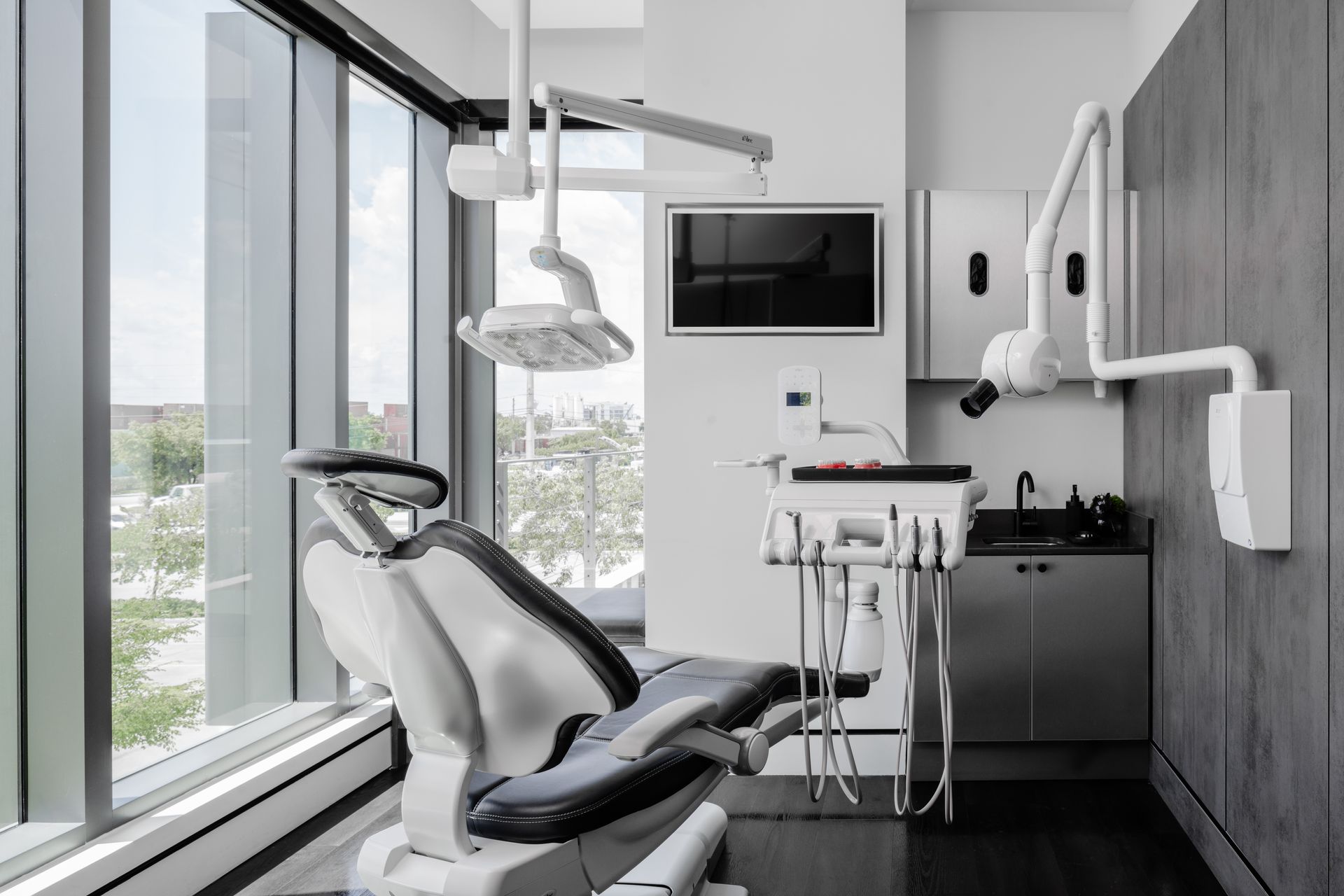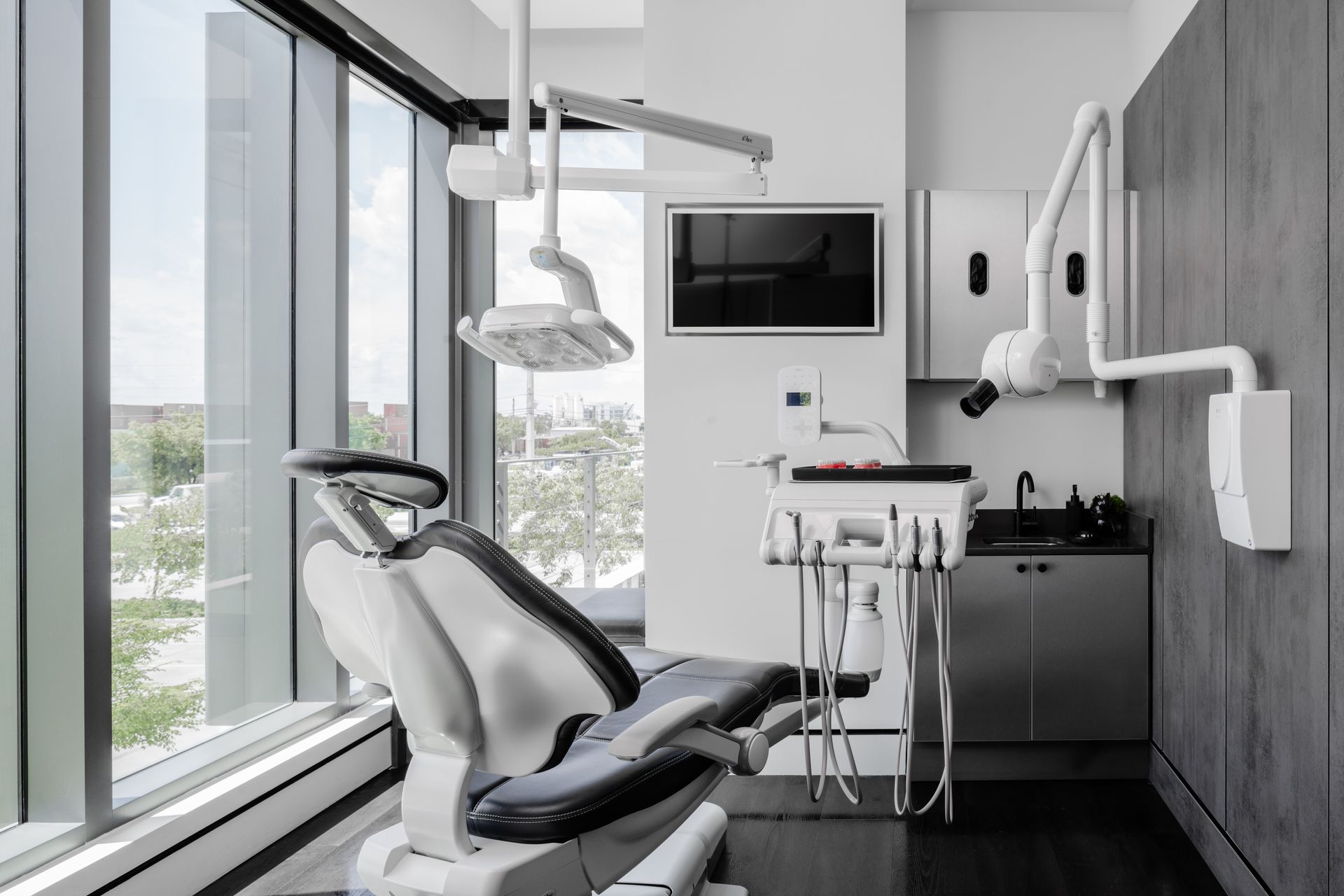
When Should You Seek Emergency Dentistry in Miami, FL?
Dental problems do not always happen during convenient hours. A tooth may suddenly begin throbbing during the evening, a filling can break while eating, or an accident can damage a tooth without warning. When something like this happens, one of the most important questions is whether the problem can wait for a routine dental appointment or whether you should seek emergency dentistry in Miami, FL as soon as possible.
A dental emergency generally involves severe pain, significant damage, uncontrolled bleeding, infection, swelling, or another condition that could worsen if treatment is delayed. Some situations are obvious, such as a knocked-out tooth after an accident. Others are less clear. A mild toothache that has been present for several days may not initially seem urgent, but if the pain suddenly becomes intense or is accompanied by facial swelling, the situation can require much faster attention.
For patients in Miami, knowing how to recognize a dental emergency can help you respond calmly and avoid unnecessary delays. Miamidentist4u by Javier Andrade DDS provides dental care at 1695 NW 110th Ave Ste 210, Miami, FL 33172, where patients can have urgent dental concerns evaluated and determine the appropriate next step based on the underlying problem.
What Qualifies as Emergency Dentistry in Miami, FL?
Emergency dentistry focuses on dental conditions that need prompt evaluation because they involve significant pain, trauma, infection, or the risk of additional damage. The goal is not simply to stop discomfort temporarily. The dentist needs to identify what is causing the problem, stabilize the affected area when possible, and determine the treatment required to protect the tooth and surrounding tissues.
Not every uncomfortable dental issue is a true emergency. For example, a small chip that does not hurt may be evaluated during a standard appointment. On the other hand, a fractured tooth with intense pain or bleeding should generally be addressed much sooner.
The urgency depends on the symptoms and the condition of the tooth rather than on a single diagnosis. Two people can both have a cracked tooth, for example, but one may have a superficial enamel fracture while another has a deep fracture involving the nerve of the tooth.
Common situations that can require urgent dental attention include severe tooth pain, dental abscesses, facial swelling, knocked-out teeth, broken or fractured teeth, significant oral bleeding, injuries to the gums or jaw, and damaged dental work that causes substantial pain or exposes the underlying tooth.
What Should You Do If You Have Severe Tooth Pain in Miami?
Severe tooth pain in Miami is one of the most common reasons people look for emergency dental care. Tooth pain can range from mild sensitivity to intense, persistent discomfort that interferes with sleep, eating, or daily activities.
Severe pain is a symptom rather than a diagnosis. It can be associated with deep tooth decay, a cracked tooth, inflammation or infection inside the tooth, gum disease, an abscess, trauma, or other dental conditions.
If tooth pain suddenly becomes severe, do not assume that it will disappear simply because the pain occasionally decreases. Dental nerve inflammation and infections can fluctuate. A tooth may hurt intensely for several hours and then temporarily become more comfortable without the underlying condition actually resolving.
You can gently rinse your mouth with warm water and carefully clean around the tooth to remove trapped food or debris. If flossing around the area relieves pressure, the problem may have been related to something caught between the teeth. However, if the pain remains severe, keeps returning, or is accompanied by swelling, tenderness, fever, a bad taste, or difficulty biting, it should be professionally evaluated.
Avoid placing aspirin or other medication directly against the tooth or gum tissue. This can irritate or damage the soft tissue. Over-the-counter pain medication may help some patients temporarily when used according to the product directions and when medically appropriate, but pain relief is not a substitute for determining why the tooth hurts.
When Does a Toothache Become a Dental Emergency?
A mild toothache does not always require same-day treatment, but certain symptoms increase the urgency.
Pain that is persistent, severe, or rapidly worsening deserves attention. A toothache may also become more urgent when it is associated with facial swelling, swelling of the gums, fever, drainage, sensitivity that lingers for a long time after hot or cold exposure, or significant pain while biting.
Another warning sign is pain that wakes you from sleep or prevents you from functioning normally. This level of discomfort can indicate that the tissues inside or around the tooth are significantly irritated.
If swelling extends into the face, jaw, or neck, or if you have difficulty breathing or swallowing, the situation may extend beyond a routine dental emergency. These symptoms can require immediate medical evaluation because certain infections can spread into deeper facial and neck spaces.
For severe tooth pain in Miami, the safest approach is to have the cause assessed rather than trying to determine the diagnosis based only on how the pain feels.
What Should You Do With a Knocked-Out Tooth in Miami?
A knocked-out permanent tooth is one of the most time-sensitive dental emergencies. If a permanent tooth is completely displaced from its socket, acting quickly may affect whether the tooth can be successfully replanted.
If you experience a knocked-out tooth in Miami, begin by locating the tooth. Pick it up by the crown, which is the part that is normally visible in the mouth. Avoid touching the root as much as possible.
If the tooth is dirty, gently rinse it without scrubbing or removing attached tissue. In some situations, the tooth may be carefully repositioned into the socket if it goes back easily and the person is conscious and able to manage it safely. If that is not practical, the tooth should be kept moist.
Do not allow a knocked-out permanent tooth to dry out. A dental professional can provide guidance regarding the most appropriate way to transport it based on the situation.
Seek dental care immediately. Time is important because the cells on the root surface begin to deteriorate after the tooth is outside the mouth.
A knocked-out baby tooth should not generally be replanted because doing so can potentially affect the developing permanent tooth underneath. If you are unsure whether the tooth is primary or permanent, contact a dental professional for guidance.
What Should You Do If You Break or Crack a Tooth?
A fractured tooth can range from a tiny chip to a major break involving deeper layers of the tooth. The symptoms depend on the depth and location of the fracture.
A small chip may produce little more than a rough edge. A deeper fracture may cause sensitivity, pain while chewing, sharp pain when pressure is released, or continuous discomfort if the nerve has been affected.
If a tooth breaks, rinse your mouth gently and save any large pieces if possible. Avoid chewing on the affected side. If the fracture has created a sharp edge, temporary dental wax may sometimes help protect the cheek or tongue until you can receive dental care.
Do not try to permanently repair a broken tooth using household glue or other non-dental materials.
A dentist will need to determine how much healthy tooth structure remains and whether the nerve is involved. Depending on the severity, treatment could range from smoothing or bonding a small chip to placing a restoration, crown, root canal treatment, or another procedure.
The important point is that the appearance of a broken tooth does not always reveal the full extent of the injury. A small visible crack can sometimes extend more deeply than expected.
Is a Dental Abscess an Emergency?
A dental abscess is a localized collection of infection that can occur around the root of a tooth or within the gum tissues. It often develops when bacteria reach deeper dental structures because of decay, trauma, periodontal disease, or another source of infection.
Symptoms can include throbbing pain, swelling, sensitivity to pressure, a pimple-like bump on the gums, an unpleasant taste, or drainage.
Some abscesses produce significant pain, while others may drain and temporarily become less painful. Reduced pain does not necessarily mean the infection is gone.
Dental infections can spread beyond the tooth, which is why they should be taken seriously. Increasing swelling, facial asymmetry, fever, difficulty swallowing, trouble breathing, or rapidly worsening symptoms require urgent evaluation.
Treatment depends on the source of the infection. The dentist may need to address the affected tooth, drain an area, perform root canal treatment, extract a tooth that cannot be restored, or recommend other treatment based on the diagnosis.
Antibiotics may be appropriate in certain circumstances, but they are not a universal replacement for dental treatment. The source of the infection often still needs to be addressed directly.
What If Your Face or Gums Are Swollen?
Swelling is an important sign because it can indicate inflammation, trauma, or infection.
A small localized area of gum swelling may be caused by food trapped under the gums, irritation, or a localized dental problem. More extensive swelling may indicate a deeper infection.
If swelling is increasing rapidly or spreading across the face or jaw, contact a dental professional promptly. Swelling associated with fever, difficulty opening the mouth, difficulty swallowing, or breathing problems is more concerning and can require immediate medical attention.
Do not puncture or attempt to drain swollen gums yourself. This can introduce additional bacteria or damage nearby tissues.
Can a Lost Filling or Crown Be an Emergency?
A lost filling or crown does not always create a true dental emergency, but it should not be ignored. The tooth underneath may be sensitive, weakened, or vulnerable to further damage.
If a crown comes off, save it and bring it to your dental appointment. Avoid using household adhesive to reattach it.
If the exposed tooth is painful, avoid chewing on that side and contact your dentist. The urgency is higher if the tooth is severely painful, fractured, or has sharp edges.
Sometimes a crown becomes loose because the cement has failed. In other cases, the underlying tooth structure has changed or broken. A dental examination is necessary to determine whether the restoration can be recemented or whether additional treatment is needed.
What Should You Do After a Dental Injury?
Dental trauma can happen during sports, falls, car accidents, work incidents, or everyday activities. Even when the teeth initially look normal, trauma can affect the internal structures of a tooth.
After an injury, inspect the mouth carefully if it is safe to do so. Look for broken teeth, movement, bleeding, changes in the bite, or missing teeth. A cold compress placed against the outside of the face may help reduce swelling after certain injuries.
If a tooth has been pushed out of position, avoid repeatedly moving it. A dentist should evaluate its stability and surrounding tissues.
Dental X-rays may be necessary after trauma because some injuries occur below the gumline or involve the tooth root. Changes can also appear later, which is why follow-up may be recommended even after the initial emergency has been managed.
Should You Go to a Dentist or the Emergency Room?
For most problems that originate specifically from a tooth, gums, dental restoration, or other oral structure, a dentist is generally the professional best equipped to diagnose and treat the underlying dental condition.
Hospital emergency departments can help manage severe symptoms and medical complications, but they may not always provide definitive treatment for the tooth itself.
However, certain situations require immediate medical care rather than waiting for a dental appointment. These can include difficulty breathing, difficulty swallowing, major facial trauma, uncontrolled bleeding, loss of consciousness, suspected jaw fractures, or rapidly spreading facial or neck swelling.
The distinction is important. A severe toothache caused by an infected tooth may require a dentist to definitively treat the tooth. A dental infection that has progressed to significant airway or systemic symptoms may require emergency medical care.
When you are unsure, describe your symptoms clearly when contacting a dental or medical provider so they can guide you toward the appropriate level of care.
What Can You Expect During an Emergency Dental Visit?
An emergency dental appointment usually begins by identifying the immediate concern. The dentist may ask when the problem started, what caused it, how severe the pain is, whether there is swelling, and whether symptoms have changed.
The affected tooth and surrounding tissues will then be evaluated. Dental X-rays may be recommended if they are needed to understand what is happening below the visible surface.
The immediate objective is to diagnose the problem and decide how urgently definitive treatment is required. Some conditions can be treated during the same visit. Others may first require stabilization, pain management, infection control, or a follow-up procedure.
For example, a patient with severe pain caused by inflammation inside a tooth may need endodontic treatment. A badly fractured tooth may need to be restored or removed depending on whether it can be saved. A loose crown may be recemented if the tooth underneath remains healthy enough.
Emergency dental care is therefore not one specific treatment. It is an approach to evaluating and managing urgent dental conditions efficiently and appropriately.
Why Prompt Dental Evaluation Can Matter
One of the main reasons to seek emergency care is to prevent a manageable dental problem from becoming more complicated.
A small fracture can sometimes become larger if the tooth continues to absorb chewing pressure. An untreated infection may spread. A knocked-out tooth has a limited window in which replantation may be possible. Persistent tooth pain can indicate inflammation that is unlikely to improve permanently without treating the underlying cause.
Prompt care can also help clarify what does not require extensive treatment. Patients often assume that sudden dental pain automatically means a tooth must be extracted. That is not necessarily the case. Depending on the diagnosis, some teeth can be preserved with restorative or endodontic treatment.
Early evaluation gives the dentist more information and often more treatment options.
Finding Emergency Dental Care Near Miami
When searching for emergency dentistry in Miami, FL, proximity is important, but it should not be the only consideration. You also want a dental office capable of evaluating the specific type of emergency you are experiencing and explaining your treatment options clearly.
Miamidentist4u by Javier Andrade DDS is located at 1695 NW 110th Ave Ste 210, Miami, FL 33172. For patients experiencing significant tooth pain, a broken tooth, swelling, or another urgent dental concern, contacting the office can help determine whether the situation should be evaluated promptly.
When you call, explain your symptoms as specifically as possible. Mention whether there is swelling, bleeding, trauma, fever, a missing tooth, or severe pain. This information can help the dental team understand the urgency of the situation.
Frequently Asked Questions About Emergency Dentistry in Miami
What is considered a dental emergency in Miami?
A dental emergency generally includes severe tooth pain, significant swelling, dental infection, a knocked-out permanent tooth, serious fractures, uncontrolled oral bleeding, or trauma involving the teeth or jaw. The level of urgency depends on the symptoms and the risk of the problem worsening.
Where should I go for severe tooth pain in Miami?
Severe tooth pain should generally be evaluated by a dentist because the pain may be caused by decay, infection, a cracked tooth, nerve inflammation, or another dental condition. If the pain is accompanied by facial swelling, difficulty breathing, difficulty swallowing, or other serious symptoms, emergency medical care may also be necessary.
What should I do with a knocked-out tooth in Miami?
Pick up a knocked-out permanent tooth by the crown rather than the root. Gently rinse it if necessary without scrubbing it, keep it moist, and seek emergency dental care immediately. Do not allow the tooth to dry out. Baby teeth generally should not be replanted.
Can I wait until tomorrow if my tooth hurts?
It depends on the severity and associated symptoms. Mild discomfort may sometimes be evaluated during a regular dental appointment. Severe, persistent, or worsening pain, particularly when accompanied by swelling, fever, trauma, or difficulty biting, should be assessed more urgently.
Is facial swelling from a tooth infection dangerous?
Dental swelling can become serious if an infection spreads beyond the tooth. Rapidly increasing facial or neck swelling, fever, difficulty swallowing, or difficulty breathing require urgent medical attention. Even localized swelling should be evaluated by a dentist to determine the cause.
Can an emergency dentist save a broken tooth?
Many broken teeth can be treated, but whether a tooth can be saved depends on the location and depth of the fracture, the condition of the root, the amount of remaining healthy tooth structure, and whether the nerve is affected. Prompt evaluation can help determine the available treatment options.
When to Contact a Miami Dentist for an Emergency
Dental emergencies are easier to manage when you know which symptoms require immediate attention. Severe tooth pain, swelling, trauma, broken teeth, infections, and knocked-out permanent teeth should not be ignored or managed solely with temporary home remedies.
The most important step is identifying the cause. Pain medication or home care may temporarily reduce symptoms, but they cannot repair a fracture, treat deep decay, reposition an injured tooth, or eliminate the source of a dental infection.
If you need emergency dentistry in Miami, FL, or you are experiencing severe tooth pain or another urgent dental problem, you can contact Miamidentist4u by Javier Andrade DDS at 1695 NW 110th Ave Ste 210, Miami, FL 33172. Call (305) 220-1866 to discuss your symptoms and determine the appropriate next step.
schema